When to Treat Non-Healing Foot & Leg Ulcers
When to See a Wound Care Specialist for Non-Healing Foot & Leg Ulcers in Houston
When Should You See a Wound Care Specialist for a Non-Healing Wound?
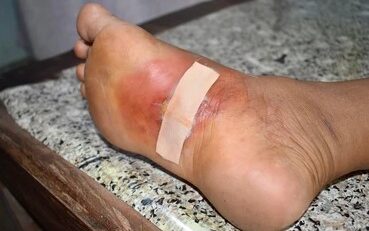
A small cut, blister, or scrape on the foot may seem like something that will heal on its own. In many cases, it does. But when a wound continues to remain open, becomes painful, changes color, develops drainage, or shows other signs of infection, it may need professional evaluation.
This is particularly important when a wound affects the foot or lower leg. Certain health conditions, including diabetes, nerve problems, circulation issues, and other chronic conditions, can make wounds more difficult to heal.
If you are looking for a wound care specialist Houston, understanding when a wound requires medical attention can help you take action before a small problem becomes more complicated.
Houstonian Foot & Ankle Specialists provides podiatric care for foot and ankle conditions, including wound care, diabetic foot care, neuropathy, and ulcers. The practice serves patients from Houston and surrounding communities.

What Is a Non-Healing Wound?
A non-healing wound is a wound that does not progress through the normal healing process or continues to remain open over time.
Foot and leg wounds can develop from several different causes, including:
- Minor cuts or punctures
- Blisters caused by friction
- Pressure from footwear
- Diabetic foot ulcers
- Venous ulcers
- Traumatic injuries
- Burns
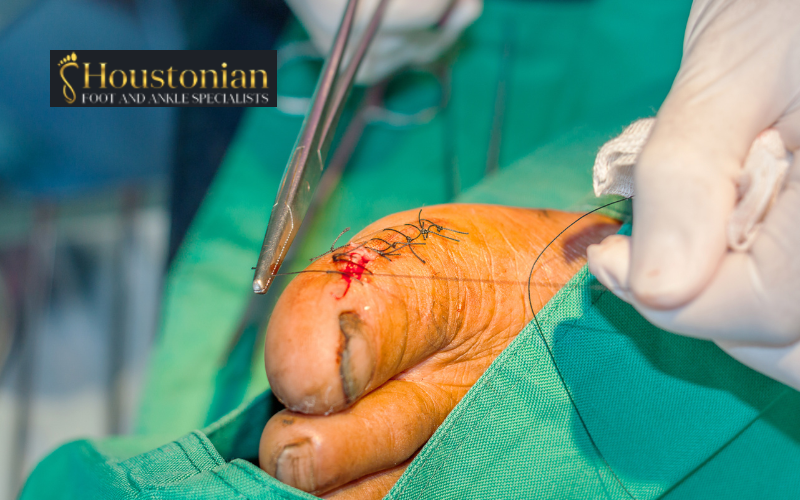
- Surgical wounds
- Infections
- Skin breakdown
- Repeated pressure on the same area
The cause of the wound matters because treatment should address more than just the visible opening in the skin.
For example, a person with diabetes may have reduced sensation in the feet and not realize that a blister or small injury has developed. Diabetes-related nerve damage can make it harder to feel injuries, while circulation problems can also interfere with healing. The National Institute of Diabetes and Digestive and Kidney Diseases explains that diabetes-related nerve damage and reduced blood flow can increase the risk of foot sores, ulcers, and infections.
Signs That a Foot or Leg Wound Needs Medical Attention
Knowing the warning signs can help you decide when it is time to seek professional care.
Consider contacting a healthcare provider if you notice:
- A wound that is not beginning to heal
- Increasing redness around the wound
- Swelling
- Increasing warmth
- Drainage or pus
- Unpleasant odor
- Increasing pain
- Skin discoloration
- A wound that becomes larger or deeper
- Repeated bleeding
- Fever or feeling unwell
- A new wound on a foot affected by diabetes
- Numbness or reduced sensation around the foot
The CDC recommends that people with diabetes check their feet every day for cuts, redness, swelling, sores, blisters, corns, calluses, and other changes. It also advises seeking medical attention for concerning foot problems such as a blister, sore, ulcer, infected corn, or ingrown toenail.
If you notice significant changes or symptoms of infection, don’t wait for the problem to become severe before seeking care.
Diabetic Foot Wounds Require Special Attention
Diabetes is one of the important factors associated with foot ulcers and wounds that are slow to heal.
People with diabetes can develop peripheral neuropathy, which may reduce sensation in the feet. This means an individual may have a blister, cut, pressure spot, or other injury without experiencing the level of pain they might normally expect.
A wound that goes unnoticed can become larger or infected.
Diabetes can also be associated with reduced circulation, which may affect the body’s ability to deliver oxygen and nutrients needed for healing.
For this reason, diabetic wound care in Houston should involve more than simply covering an open sore.
A foot specialist can evaluate the wound, surrounding skin, sensation, pressure points, and other factors that may affect healing.
Regular diabetic foot examinations are also important even when there is no open wound. Prevention and early identification can help address potential problems before they become more serious.
What Is a Diabetic Foot Ulcer?
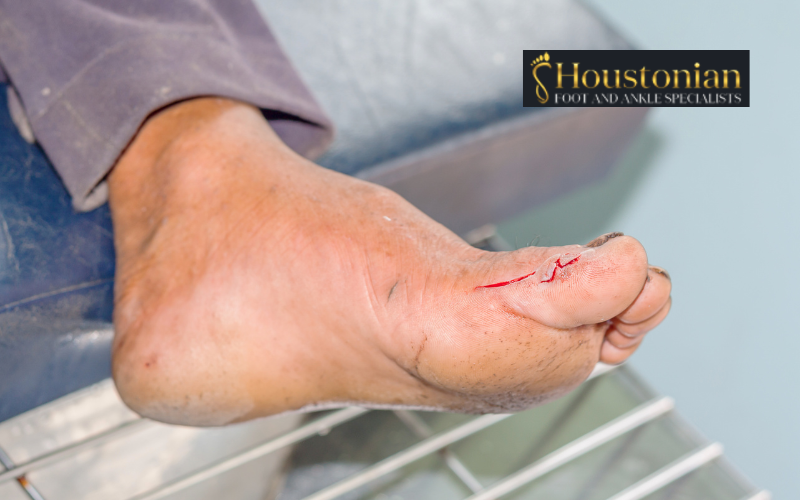
A diabetic foot ulcer is an open wound that develops on the foot of someone with diabetes.
These ulcers can develop in areas exposed to repeated pressure or friction. Neuropathy may make it difficult for a person to notice the injury, while circulation problems may make healing more difficult.
A diabetic foot ulcer should not be treated as an ordinary cut.
Depending on its severity and the patient’s overall health, treatment may involve wound management, pressure reduction, infection management, monitoring, and evaluation of circulation and other contributing factors.
If you have diabetes and notice an open sore on your foot, contacting a qualified healthcare provider promptly is important.
Venous Ulcers and Non-Healing Leg Wounds
Not every chronic wound is caused by diabetes.
Venous ulcers are another type of wound that can occur on the lower leg, often in people who have problems with blood returning from the legs toward the heart.
A person experiencing a chronic leg wound may notice:
- Persistent open skin
- Swelling in the lower leg
- Changes in skin color
- Dry or irritated skin
- Recurring wounds
- Drainage
- Discomfort around the affected area
If a wound on the lower leg does not appear to be healing normally, an evaluation can help identify possible contributing factors.
Someone searching for venous ulcer treatment in Houston should look for care that evaluates the underlying cause rather than simply treating the surface of the wound.
What About an Infected Foot Wound?
An infected wound may require prompt medical attention.
Possible signs of infection include increasing redness, warmth, swelling, drainage, worsening pain, or an unpleasant odor. In some cases, infection can progress beyond the original wound.
This is especially important for people with diabetes or reduced sensation in their feet because they may not experience significant pain even when a wound requires attention.
If you notice changes suggesting that a foot wound may be infected, contact a healthcare provider rather than attempting to manage a potentially serious infection entirely at home.
Traumatic Wounds, Burns, and Surgical Wounds
Wound care is not limited to diabetic ulcers.
Foot and ankle wounds can also result from accidents, sports injuries, burns, falls, puncture injuries, or surgical procedures.
For example, a foot burn may initially appear minor but can become problematic if the skin is significantly damaged or infection develops.
Similarly, a surgical wound that becomes increasingly red, swollen, painful, or develops drainage should be evaluated by a medical professional.
Patients searching for traumatic wound care in Houston, foot burn injury care, or post-surgical wound care should consider the cause and severity of the wound when determining where to seek treatment.
How Is a Chronic Foot Wound Evaluated?
When you visit a foot and ankle specialist for a wound, the evaluation may involve more than simply looking at the open area.
Depending on your symptoms and medical history, the provider may consider:
The Location of the Wound
The position of the wound can provide information about pressure, friction, footwear, or other contributing factors.
The Size and Depth
The size and depth of an ulcer can help determine the severity of the wound and the type of care that may be needed.
Skin and Tissue Around the Wound
Redness, swelling, drainage, discoloration, or other changes can provide important information.
Sensation
People with diabetes or neuropathy may have reduced sensation in the feet. Checking sensation can help identify risk factors for additional wounds.
Foot Structure and Pressure
Foot deformities or areas exposed to repeated pressure can contribute to wound development and recurrence.
Overall Health
Diabetes, circulation problems, previous ulcers, previous surgery, and other health factors may affect the treatment plan.
The goal is to understand why the wound developed and what factors may be preventing normal healing.
Why Early Wound Care Matters
A wound that remains open provides an opportunity for bacteria to enter the body.
For people with diabetes, nerve damage and reduced blood flow can increase the risk of serious foot complications. The CDC notes that early attention to foot problems can help reduce the risk of complications, while the NIDDK recommends prompt medical attention when a diabetic foot wound does not begin healing or shows signs such as redness, warmth, or pain.
This is why waiting several weeks to see whether a non-healing wound eventually improves may not always be appropriate.
The earlier the cause is identified, the sooner an appropriate treatment plan can be considered.
How Can You Help Prevent Foot Wounds?
Wound care is also about prevention.
Simple daily habits can help protect your feet, particularly if you have diabetes or another condition that increases your risk of foot problems.
Consider these basic habits:
- Check your feet every day.
- Look for cuts, blisters, redness, swelling, or skin changes.
- Wear properly fitting shoes.
- Avoid walking barefoot.
- Keep your feet clean and dry.
- Protect your feet from extreme temperatures.
- Follow your healthcare provider’s recommendations for diabetes management.
- Have regular foot examinations when recommended.
- Do not attempt to cut or treat concerning wounds yourself.
The CDC specifically recommends daily foot checks for people with diabetes and advises wearing properly fitting footwear and avoiding going barefoot.
When Should You Look for a Wound Care Doctor in Houston?
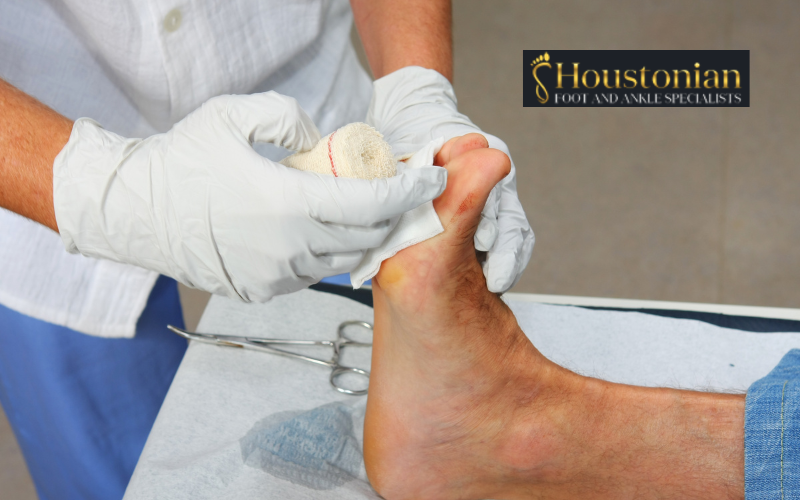
If you are dealing with a wound that is not healing normally, it may be time to seek professional evaluation.
You should consider contacting a wound care doctor in Houston TX when:
- A foot wound remains open.
- A diabetic foot sore is not improving.
- A leg ulcer keeps returning.
- The wound is becoming larger.
- You notice redness or swelling.
- There is drainage or an unusual odor.
- You have reduced sensation in the affected foot.
- A wound developed after an injury or burn.
- You are concerned about infection.
- A previous wound has reopened.
For people with diabetes, a seemingly small foot problem can deserve prompt attention because nerve damage may reduce pain sensation and circulation problems can affect healing.
Wound Care at Houstonian Foot & Ankle Specialists
Houstonian Foot & Ankle Specialists provides podiatric care for a variety of foot and ankle conditions, including diabetic foot care, neuropathy, wound care, and ulcers.
The practice’s existing wound-care services address wounds that may develop from chronic conditions, injuries, and other causes. Houstonian Foot & Ankle Specialists also has dedicated wound-care information for patients looking for treatment in the Houston area.
Located in West Houston at:
Houstonian Foot & Ankle Specialists
14770 Memorial Dr. Suite 150
Houston, TX 77079
Phone: (281) 501-3443
Email: info@houstonianfoot.com
Patients experiencing a persistent foot or leg wound can contact the practice to discuss whether a podiatric evaluation is appropriate.
Frequently Asked Questions About Wound Care in Houston
-
When should I see a wound care specialist for a foot wound?
You should consider professional evaluation when a wound does not begin healing, becomes increasingly red or swollen, develops drainage, becomes more painful, or shows other concerning changes. People with diabetes should be particularly attentive to new foot wounds.
-
What is the best treatment for a diabetic foot ulcer?
Treatment depends on the size, depth, location, cause, and severity of the ulcer, as well as the patient’s overall health. A provider may evaluate the wound, sensation, pressure, circulation, and possible infection before determining an appropriate treatment plan.
-
Why won’t my diabetic foot wound heal?
Several factors can contribute to slow healing, including nerve damage, repeated pressure, infection, circulation problems, and other health conditions. A professional evaluation can help identify factors that may be interfering with healing.
-
What are the signs of an infected foot wound?
Possible signs include increasing redness, warmth, swelling, drainage, worsening pain, or an unpleasant odor. Fever or feeling generally unwell can also be concerning. If you suspect an infection, seek medical attention promptly.
-
When should I see a doctor for a leg ulcer?
A leg ulcer that remains open, repeatedly returns, becomes painful, changes in appearance, drains fluid, or develops signs of infection should be evaluated by a healthcare professional.
-
Can diabetes cause wounds that don’t hurt?
Yes. Diabetes-related peripheral neuropathy can reduce sensation in the feet. As a result, a person may have a cut, blister, or ulcer without experiencing significant pain. This is one reason daily foot checks are important for people with diabetes.
-
How can I prevent diabetic foot wounds?
Daily foot checks, properly fitting footwear, avoiding barefoot walking, appropriate diabetes management, and regular foot examinations can help reduce the risk of foot problems.
-
Does Houstonian Foot & Ankle Specialists provide wound care?
Yes. Houstonian Foot & Ankle Specialists lists wound care and ulcers among its diabetic foot-care services and provides podiatric care for foot and ankle wounds.
Final Thoughts
A wound on the foot or lower leg should not always be treated as a minor problem, particularly when it does not heal as expected.
Diabetes, neuropathy, circulation problems, repeated pressure, infection, injuries, and other conditions can affect the healing process. Recognizing the warning signs and seeking appropriate care can help identify the cause of a non-healing wound and determine what treatment may be needed.
If you are searching for a wound care specialist Houston, diabetic wound care specialist, or foot wound care specialist in Houston, Houstonian Foot & Ankle Specialists provides podiatric wound and ulcer care at its West Houston location.
Houstonian Foot & Ankle Specialists
14770 Memorial Dr. Suite 150, Houston, TX 77079
(281) 501-3443
This article is intended for general educational purposes and does not replace an examination or individualized medical advice from a qualified healthcare professional.